

Sow these flowers outdoors from July to August and then transplant to their final spot from October and November. Sow them in the garden from September to December.


Biennial flowers
What are biennial flowers?
Most biennial flowers are sown in (late) spring and summer and first need a growing season to bloom. The flowers are usually sown in the open ground in the right place of destination. Because of the late sowing, the seeds will germinate and grow, but will not flower. Often the above-ground plant dies in winter, while the root system remains intact. Flowering only comes after winter when the roots sprout again and form a new plant. This whole process often causes flowers to bloom early in spring. In most cases, these plants flower earlier than, say, annual plants that have to put all their energy into growing first. Depending on the species chosen, the flower may flower again the following year. In addition, biennial flowers can sow themselves, so blooms can be enjoyed every year.
How to sow biennial flowers?
Most biennial flowers are sown in late winter (February and March) or in the (late) summer. Transplanting is done very early in spring or in autumn, depending on the sowing period. Depending on the chosen sowing period, the seeds should be partly sown in a greenhouse instead of directly in the garden in a seedbed.
Types of biennial flowers
There are many different varieties of biennial flowers. Below is a small overview of the available biennial flowers:
- Millennial single-flowered mixed, Millennial low nanus compactus (mixed) and Millennial Pink Beauty are sown between May and July and then planted out/thinned in October. Ideal cut flower, suitable for heemtuin and verge.
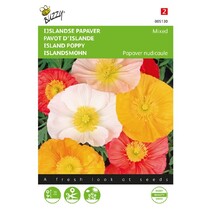
- Iceland Poppy Exelsior (mixed), also known as poppy has two sowing periods: February to March (in a greenhouse) transplant in May and June or sow in July and August.
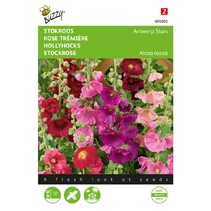
- Hollyhock Charter's (mixed) a very well-known biennial flower sown from May to July and thinned out/planted out in October and November.
- Forget-me-not (blue) and Forget-me-not Victoria (pink) seeds can be sown in a seedbed from June to August. Transplant and thin out in October and November.
- Foxglove (mixed) is sown from June to August and then thinned out/planted out in October and November.
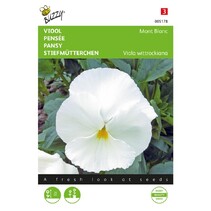
- Violets seeds early sowings for annual flowers and late sowings for biennial flowers. Late sowing involves sowing from mid-July to mid-August in a seedbed for planting out in late autumn.
Tips and tricks
- Mix biennial and annual flowers
- Biennial flowers often bloom early in spring
- Ideal for planting in (late) summer
- Some biennial flowers resemble perennials: by not letting these grow to seed, an extra year of flowering can be encouraged
Frequently Asked Questions about Biennial Flower Seeds
What are the benefits of buying biennial flower seeds?
Buying biennial flower seeds offers several advantages, such as the ability to choose from a wide variety of species. Biennial flowers usually bloom in the second year, creating a beautiful display in your garden. Growing from seed also helps reduce costs and allows you to enjoy the process of gardening and caring for your plants.
Which types of biennial flowers are popular to sow?
Popular biennial flowers include hollyhocks, horned violets, and sweet williams. These flowers are not only beautiful but also attract bees and butterflies, which are beneficial for biodiversity. The right choice depends on your garden’s conditions, such as sunlight and soil type. If you need advice, Garden Select is happy to help!
When is the best time to sow biennial flowers?
Biennial flowers are best sown in early spring or late winter. This allows the seeds time to germinate and grow before the blooming period. Some species can also be sown directly outdoors, depending on weather and soil temperature.
How should I sow biennial flower seeds?
Prepare a well-drained and airy soil before sowing. You may also use supportive seed or potting soil. Follow the instructions on the seed packet for the correct sowing depth and spacing between seeds.
Where can I buy high-quality biennial flower seeds?
High-quality biennial seeds are available at specialised online shops, such as Garden Select. We offer a wide range of seeds, with free shipping available on orders above a certain amount.
How do I care for biennial plants after sowing?
After sowing, water the plants regularly and ensure they receive enough sunlight. Remove weeds and protect the young plants from cold, especially during early growth. Deadheading spent flowers will also encourage longer blooming.
What are tips and tricks for successfully growing biennials?
Sow the seeds in a sheltered spot to protect them from cold. Give them enough space to grow and use a professional fertilizer suitable for flowering plants. Regularly check for pests and diseases to keep the plants healthy and ensure abundant blooms. Unsure about fertilizer? Contact us for professional advice!
Can biennial flowers survive the winter?
Yes, most biennial flowers can survive winter if properly cared for. Mulching is recommended—cover the soil with organic material such as wood chips, compost, or grass clippings. This helps protect the soil, retain moisture, suppress weeds, and improve soil fertility.
Some species may lose their leaves, but the roots stay healthy and will bloom again in the second year, making them a sustainable and beautiful choice for your garden.